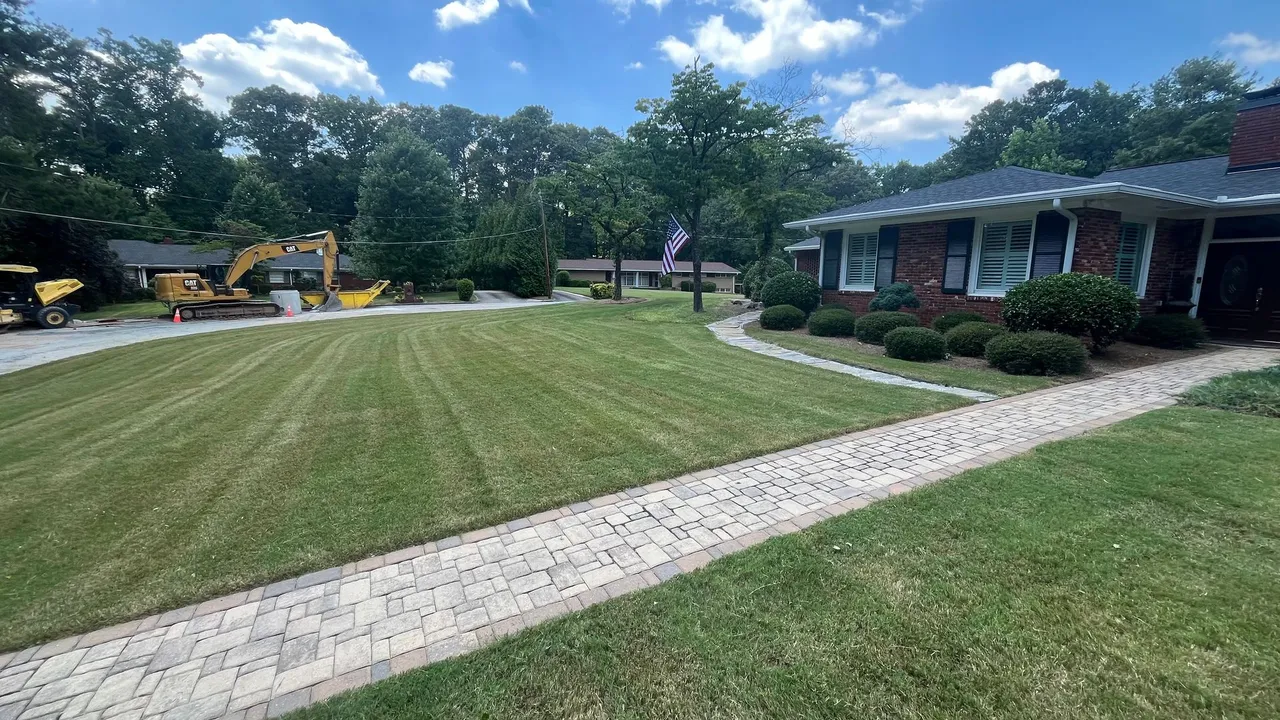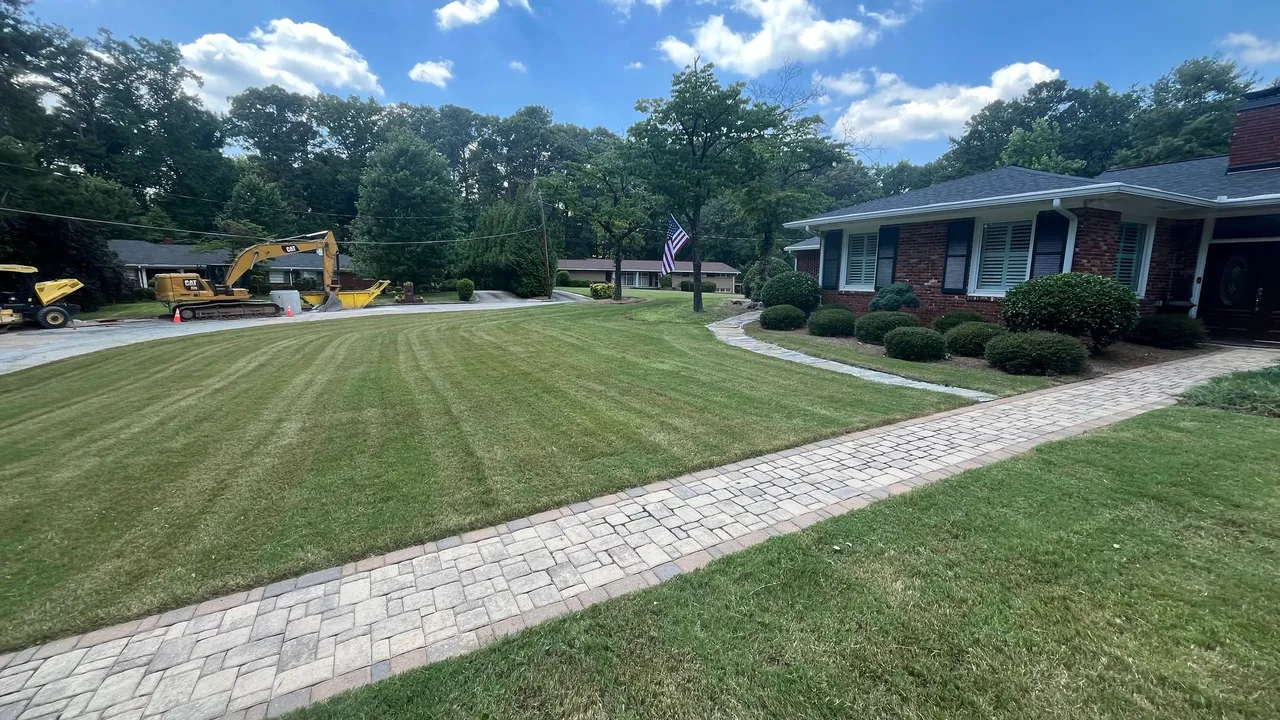
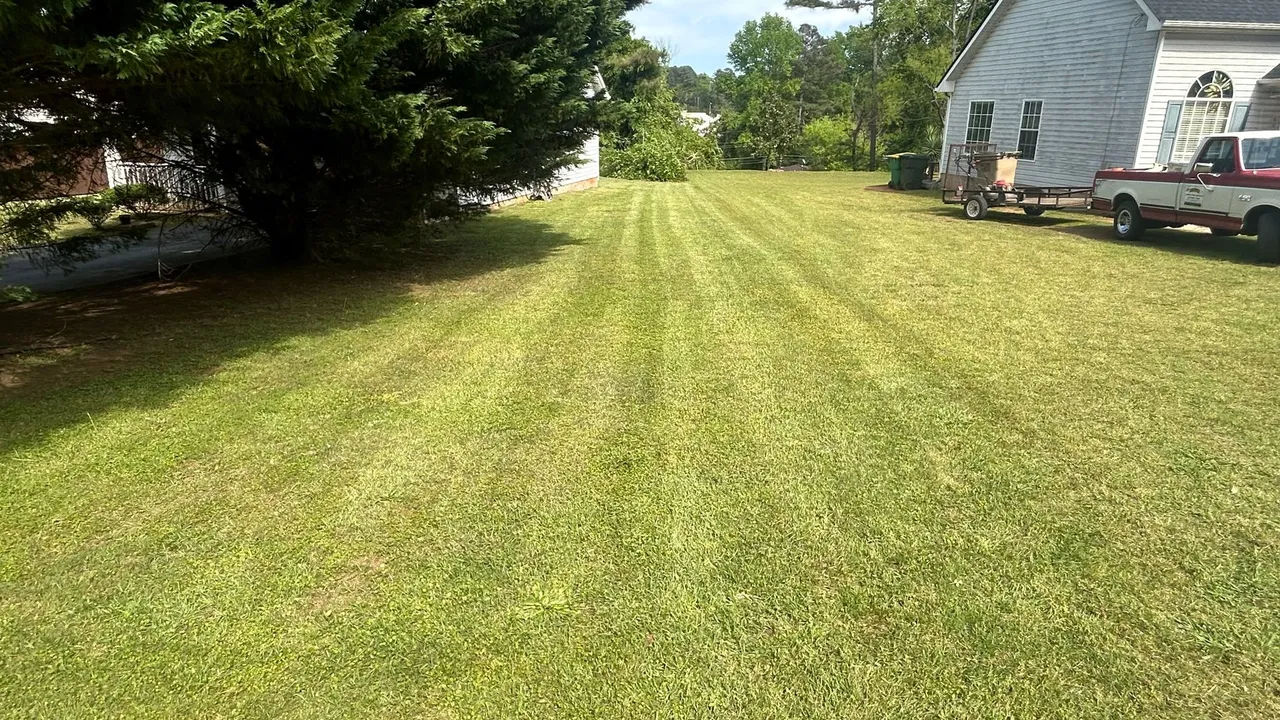
You spend a Saturday pulling clover and dandelions, and the yard looks cleaner by Sunday. Two weeks later the same spots are back, or a new patch of crabgrass has filled a thin area along the driveway. That is normal in Atlanta, Forest Park, and the surrounding areas. The weeds you see are only the ones that already won. The next set of seeds is already in the soil.
What you are actually fighting
Warm, wet stretches here push winter annuals in late fall and summer weeds as soon as soil stays warm. Open lots, neighboring yards, and sidewalk cracks keep feeding seed into a residential lawn. Pulling the visible plants helps, but it does not stop germination. If the turf is thin from a short cut or leftover leaf cover, weeds find those gaps first.
Spot-spraying after everything is already flowering is the same story: you knock down what is up, and a new flush follows the next rain. Consistent visits matter more than one heavy weekend. Removing what is up, keeping the grass at a healthy height, and coming back before the next generation sets seed is what actually reduces the population.
What works between visits
Mow high enough that grass shades the soil. Edge and trim so weeds are not hiding along fences and beds. Stay on a schedule through the growing season instead of waiting until the yard looks weedy. If a patch keeps returning in the same place, that is usually a thin or compacted spot, not a one-off plant.
Eye Candy Lawns builds weed control into regular maintenance so you are not starting over every month. If weeds are already ahead of the grass, request a free estimate. We will look at what is growing and set a plan that matches the property, not a one-time pull.